If you’re planning to sell in Lyon Park and buy your next home at the same time, the biggest challenge usually is not demand. It is timing. You want to protect your equity, avoid unnecessary stress, and line up two major transactions without paying for a mistake later. The good news is that with the right sequence, clear financing, and thoughtful prep, you can make the move with far more confidence. Let’s dive in.
Why timing matters in Lyon Park
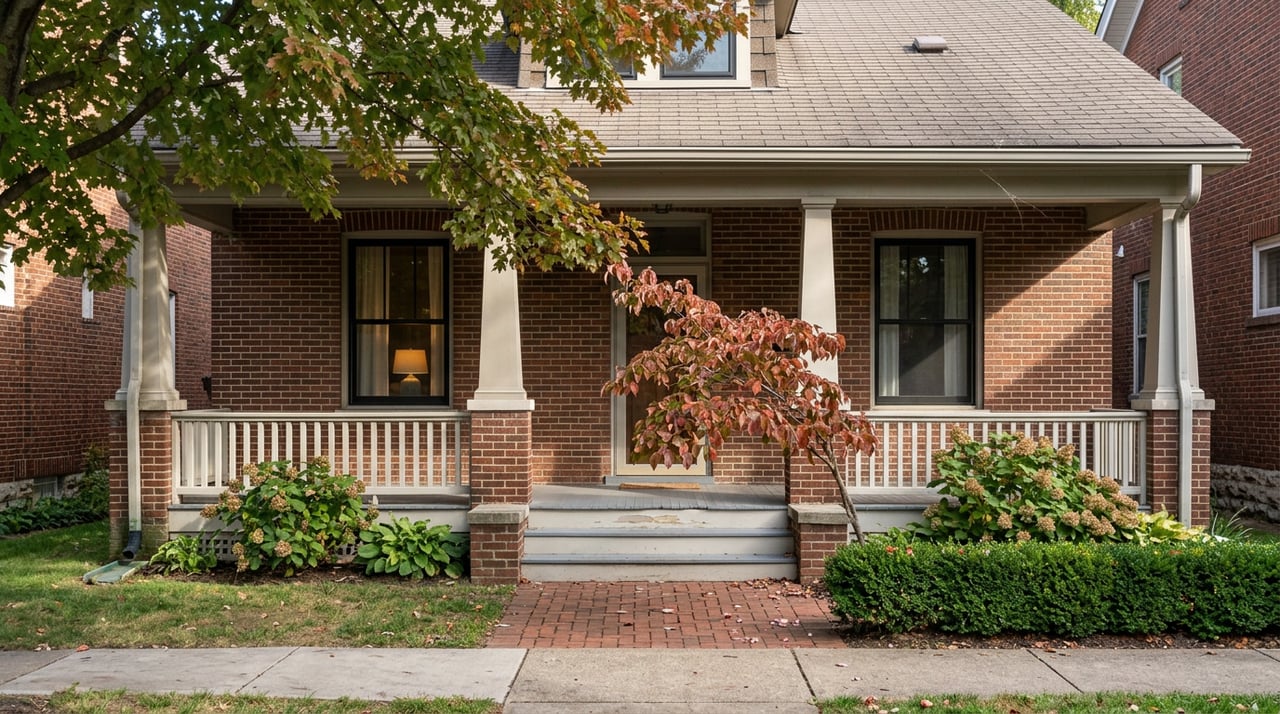
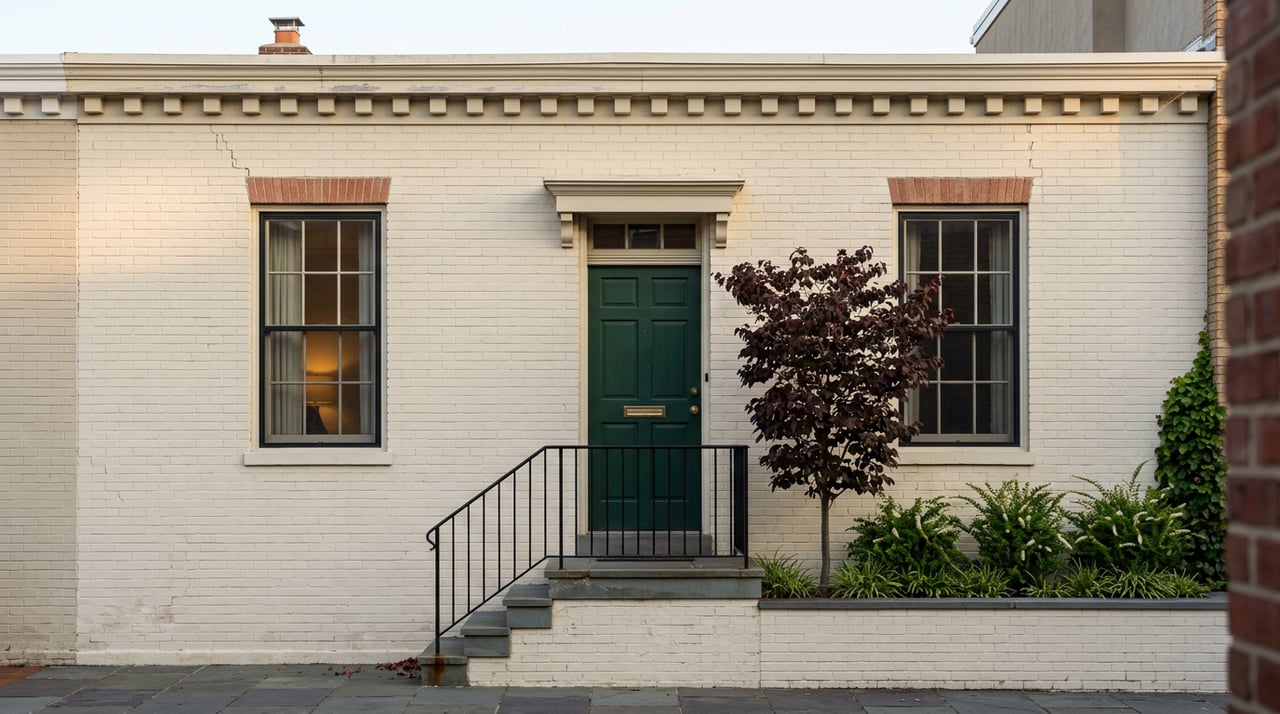
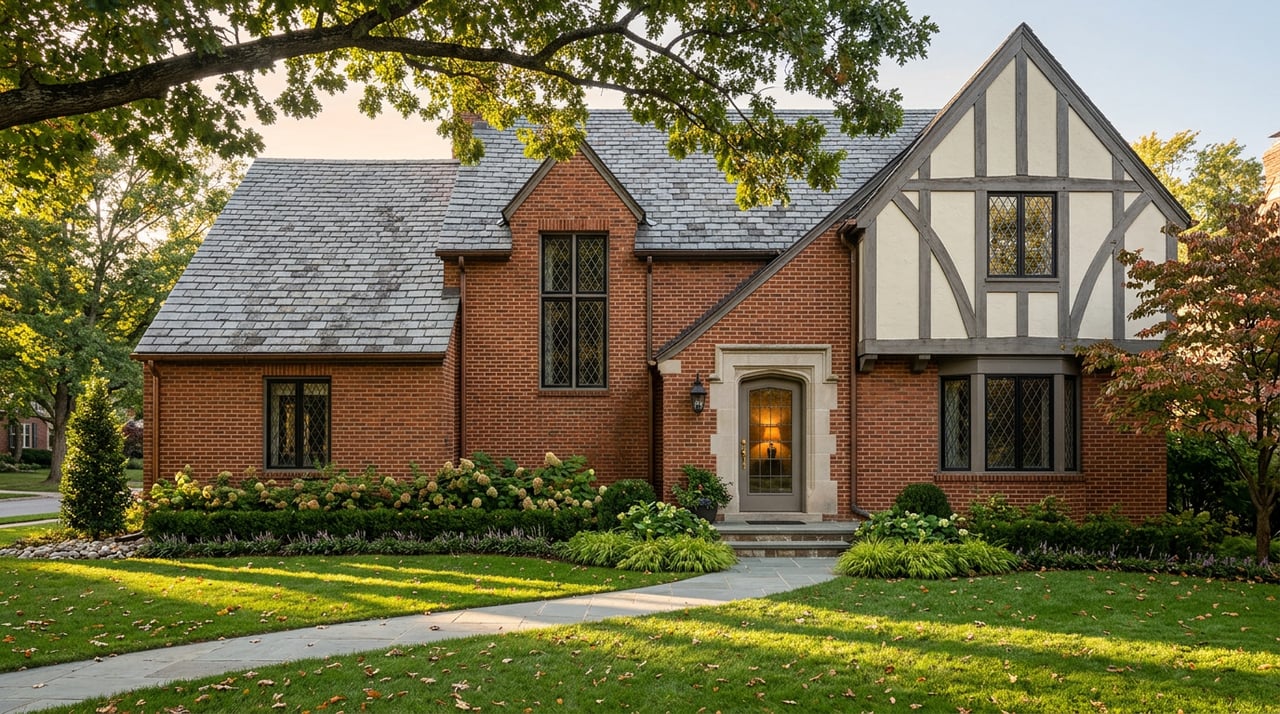
Lyon Park has a distinct housing profile that shapes how buyers respond. It is one of Arlington’s older planned communities, established in 1919, with mostly single-family homes, a small commercial area, and a historic character that still matters today. The neighborhood is also part of the Lyon Park Historic District, and Arlington’s conservation planning highlights features residents value, including walkability, tree canopy, and neighborhood character.
In practical terms, that means buyers often notice presentation right away. In a neighborhood where curb appeal, scale, and architectural fit matter, your sale timeline is tied not just to the market, but also to how well your home is prepared before it goes live.
Read the current market window
Recent data shows a clear spring pickup in Arlington. According to NVAR’s Arlington market report, average sold price rose from $891,676 in January 2026 to $1,004,052 by March 2026, while median sold price increased from $700,000 to $819,000. Home sales also climbed from 97 to 207 over that same period.
Across Northern Virginia, March 2026 posted 25 average days on market and 1.39 months of supply, which points to a market that is still tight. But it is not a market where every home disappears instantly. For you, that means timing and preparation still carry real weight, especially if you need your sale proceeds to help fund your next purchase.
Sell first or buy first?
For most move-up sellers, selling first is the lower-risk path. The Consumer Financial Protection Bureau notes that homeowners commonly sell before they buy, especially when they need current-home equity for the next down payment or want to avoid carrying two monthly payments.
That approach usually gives you more clarity. You know your sale price, you know your net proceeds, and you can shop for your next home with a firmer budget instead of guessing.
When selling first makes sense
Selling first is often the best fit if:
- You need equity from your current home for the next purchase
- You want to reduce the risk of overlapping mortgage payments
- You prefer a more predictable budget and cash position
- You want stronger visibility into what you can comfortably offer on the next home
In Lyon Park, this can be especially helpful when your current home may benefit from focused prep and strong launch timing. A well-prepared listing can create leverage, but you still want your numbers locked in before stretching into the next purchase.
When buying first may work
Buying first can still be the right move in some cases. If you have enough liquidity, strong income, and lender approval that supports both transactions, it may let you secure the right next home before listing your current one.
The CFPB also stresses that lenders evaluate your ability to repay, so you should compare financing options early, before you find the house you want. That matters even more in a move-up scenario, where decisions often have to happen quickly after an offer is accepted.
How much cash should you keep in reserve?
A common mistake is focusing only on the down payment. In reality, you also need enough liquid cash for closing costs, moving expenses, and timing gaps between the two homes.
The CFPB says that purchase closing costs typically run about 2% to 5% of the purchase price. If you are moving up, that means you should plan for meaningful cash beyond your down payment, especially if you may need repairs, temporary housing, storage, or overlap costs.
Reserve categories to plan for
Before you commit to a sequence, map out cash for:
- Down payment needs
- Purchase closing costs
- Selling costs
- Movers and storage
- Utility overlap and minor setup costs
- A cushion for unexpected repairs or timing delays
This is one reason many sellers choose to list first. It creates a cleaner financial picture and reduces the chance that your next purchase feels more stressful than it should.
Should you use a HELOC or bridge loan?
If your timing does not line up perfectly, short-term financing may come up in the conversation. The CFPB explains that a HELOC allows you to borrow repeatedly against your home equity, while bridge loans are temporary loans that generally last 12 months or less.
These tools can be useful, but they are not automatic solutions. They add cost, risk, and another layer of decision-making at the same time you are already managing a sale and a purchase.
When short-term financing may help
A HELOC or bridge loan may be worth exploring if:
- You have substantial equity
- You are confident in your repayment plan
- You have identified a strong next-home opportunity
- Your lender confirms the structure is workable for your income and debt profile
The key is to stress-test the plan with your lender before relying on it. If the numbers only work under perfect conditions, the plan may be too tight.
When a rent-back is worth negotiating
A rent-back can be one of the most useful timing tools for move-up sellers. If you sell your current home but need extra time before moving into the next one, post-settlement occupancy can help you stay in place for a negotiated period after closing.
NVAR’s contract materials include pre- and post-settlement occupancy provisions, which is a reminder that rent-backs work best when the agreement is detailed and specific. Dates, occupancy charges, insurance responsibilities, and possession terms should all be clearly documented.
A rent-back often helps when
- Your purchase closing is scheduled shortly after your sale closes
- You want to avoid a rushed move-out
- You need time for repairs or final preparations at the next home
- You want to reduce the chance of temporary housing between closings
In a tight market, a rent-back can make your transition much smoother. It can also give you more breathing room to coordinate movers, utility transfers, and the final handoff of your current home.
Which contingencies matter most?
When you buy your next home, your contract terms matter almost as much as your offer price. NVAR’s standard forms include home inspection and radon testing contingency language, and Virginia REALTORS also provides tools for contingency extensions.
For move-up buyers, the goal is not to load the contract with friction. It is to use the right contingencies so inspection, financing, repair discussions, and move timing stay organized instead of colliding at the end.
Useful contingencies to discuss
Depending on your situation, key terms may include:
- Home inspection contingency
- Radon testing contingency
- Financing-related protections
- Carefully managed timeline extensions when needed
Freddie Mac and the CFPB also recommend inspections and a final walk-through before closing. Those steps matter even more when you are coordinating two transactions and cannot afford last-minute surprises.
What to finish before your Lyon Park home hits the market
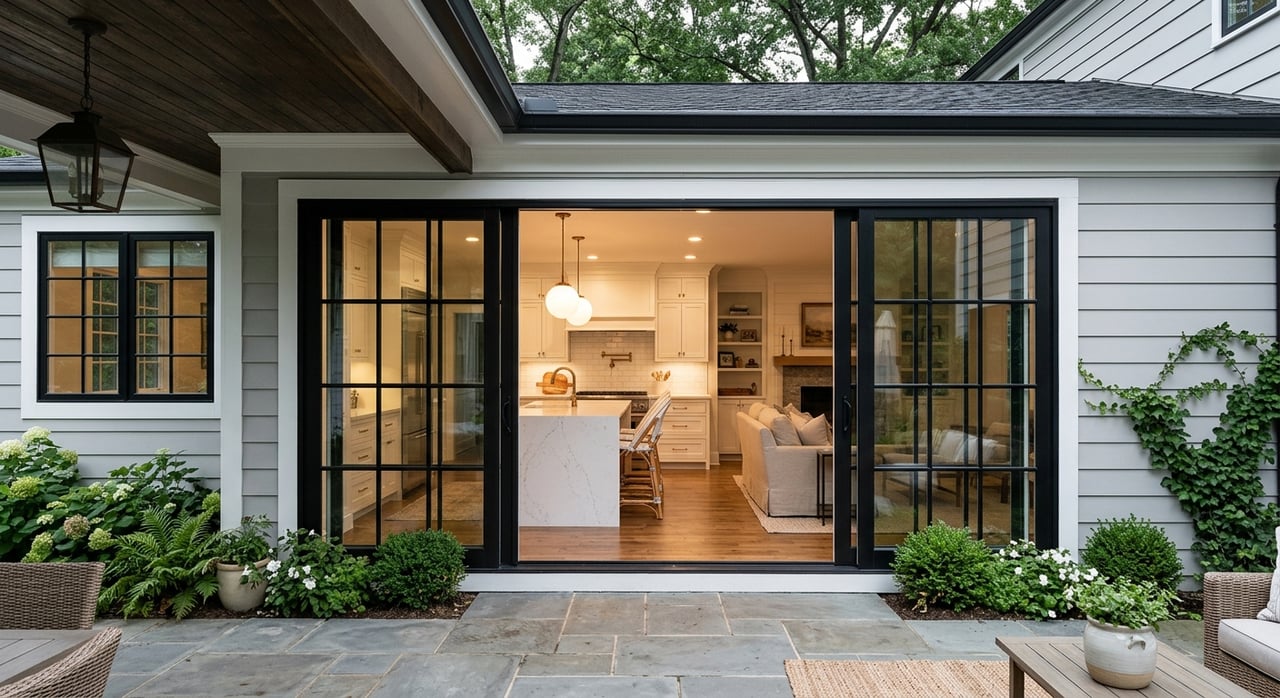
In a neighborhood like Lyon Park, presentation can directly affect momentum. The goal is not to over-customize your home for one buyer. It is to make it feel cared for, polished, and photo-ready.
Freddie Mac recommends understanding the costs of selling a home, and NVAR highlights staging support for occupied homes. In practice, the highest-value prep often includes straightforward improvements that help buyers focus on the home itself rather than deferred maintenance.
Priority prep before listing
Complete these items before your home goes live whenever possible:
- Decluttering and editing each room
- Paint touch-ups where walls or trim show wear
- Lighting updates or bulb consistency
- Minor repairs you already know about
- Landscaping and front-entry cleanup
- A photography plan that highlights the home’s best features
In Lyon Park, this matters even more because buyers are often paying attention to curb appeal, upkeep, and how a home fits the broader neighborhood setting. Design-minded preparation can help your listing feel more intentional from day one.
A practical timeline for move-up sellers
If you want the smoothest path, start earlier than you think. Two transactions create more moving pieces, and the best decisions usually happen before your home is listed, not after.
Here is a simple sequence many sellers find helpful:
- Review your budget, equity, and cash reserves.
- Talk with a lender before you begin shopping.
- Decide whether selling first, buying first, or using a short overlap is realistic.
- Prepare your current home for market.
- List with a plan for timing, negotiations, and possible rent-back terms.
- Once your sale path is clear, move aggressively on the next purchase.
- Keep inspections, financing, walk-through, and move logistics on one shared timeline.
The right strategy depends on your cash position, risk tolerance, and housing goals. But the principle stays the same: clarity first, then speed.
Build your plan before the market forces it
The best move-up transitions in Lyon Park are rarely improvised. They are coordinated early, with a clear understanding of your sale timing, purchase budget, financing options, and backup plans.
That is especially true if your plan involves two closings, temporary financing, or a post-settlement occupancy agreement. The CFPB’s homeownership guidance encourages early mortgage shopping, counseling, and budget review, which is smart advice for any homeowner trying to line up both sides of a move.
If you are weighing the right sequence for your Lyon Park sale and next purchase, working with a local, design-minded expert can make the process far more strategic. To plan your next move with confidence, connect with Caitlin Platt.
FAQs
Should Lyon Park homeowners usually sell before buying their next home?
- In many cases, yes. Selling first can reduce financial stress, clarify your budget, and help you use your current equity toward the next purchase.
How much cash should move-up buyers keep after selling a Lyon Park home?
- You should plan for more than just the down payment, including purchase closing costs, selling costs, movers, storage, and a cushion for timing gaps or unexpected expenses.
When is a rent-back useful after selling a Lyon Park house?
- A rent-back can help when your sale closes before your next home is ready, giving you extra time to move without rushing or arranging temporary housing.
Which contingencies matter when buying a move-up home in Arlington?
- Home inspection, radon testing, financing-related protections, and any needed timeline extensions are often the most important terms to discuss.
What should sellers complete before listing a Lyon Park home?
- Focus on decluttering, touch-up paint, minor repairs, lighting, landscaping, and a clear staging and photography plan before the home hits the market.