Thinking about selling your Lyon Park home but not sure which updates will actually move the needle? You are not alone. Buyers here love the neighborhood’s period charm and walkable location, yet they expect modern comfort, clean lines, and strong listing photos. In this guide, you will learn which design upgrades consistently attract attention, photograph beautifully, and stand up in appraisal, plus how to right-size scope, permits, and timelines. Let’s dive in.
Why Lyon Park buyers value thoughtful updates
Lyon Park’s draw is clear. You are close to Clarendon and Courthouse, near Metro access, and minutes to everyday conveniences. Buyers compare your home to renovated townhomes and condos, so they look for modern function along with craftsmanship that feels true to a 1920s–40s footprint.
Most shopping starts online, so great photos are critical. Upgrades that maximize light, streamline sightlines, and present a cohesive, high-quality finish help your home surface in more searches and convert more showings. The goal is a light, welcoming look that honors original character without feeling dated.
High-impact upgrades that sell
Light, windows, and sightlines
Bright rooms and clear views between spaces make your home look larger in photos and in person. Consider warm-neutrals or crisp whites to reflect light, and repair or replace windows with energy-efficient options that respect original proportions. If layout allows, opening a small section between living and dining or between the kitchen and an adjacent room can improve flow. When structural, confirm if permits are required and keep documentation.
What to avoid: overly aggressive wall removals that erase character or create awkward structural transitions. Keep changes sympathetic to the home’s scale.
Kitchens that balance fit and function
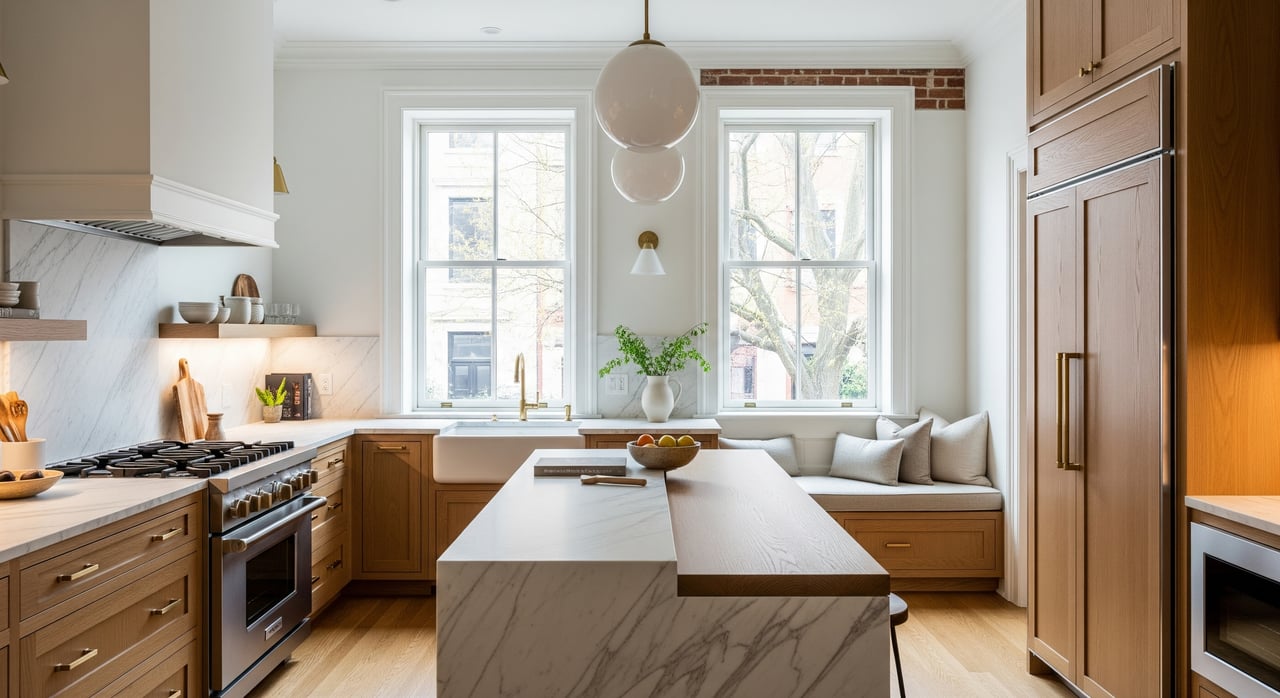
Kitchens are where buyers make decisions. In many Lyon Park homes, a smart refresh outperforms a costly gut. Refinish or reface cabinets, add durable counters like quartz or honed granite, update hardware, and install a classic backsplash. Right-size appliances, such as a 30-inch range or a paneled dishwasher, to keep circulation comfortable.
Choose a timeless look that photographs well, like shaker cabinetry, simple crown caps, and under-cabinet lighting for task work. Reconfigure only if it meaningfully improves flow. Large additions can overshoot neighborhood norms without adding supported value.
Bathrooms that feel fresh
Buyers want clean, efficient baths with durable finishes. Replace dated tile and vanities with neutral porcelain or stone-look tile, and consider pedestal or floating vanities that fit the room. Layer lighting with vanity sconces and overhead fixtures, and upgrade ventilation to reduce moisture concerns.
If a bath is cramped, explore modest adjustments that solve functionality. Avoid extravagant expansions that are out of scale for a typical 1930s footprint.
Floors, paint, and a cohesive palette
Refinish original hardwoods whenever possible. Authentic wood floors are a hallmark of older Arlington homes and instantly elevate photos. If replacement is needed, choose narrow- to medium-width planks that align with the era.
Use a consistent, neutral paint palette across rooms. Matching trim color from space to space creates a clean, connected look that reads as quality and helps rooms feel larger.
Period millwork and trim
The right millwork signals craftsmanship. Restore or replicate baseboards, crown, picture rails, and window casings rather than replacing with generic trim. Add well-scaled built-ins, window seats, or bookcases that boost storage and style.
Coordinate door hardware and hinges in finishes like antique brass, oil-rubbed bronze, or black for a unified look. These details show up clearly in photos and in appraisals as quality cues.
Lighting and small details
Layer lighting to support each room’s use. Combine ambient ceiling fixtures with task lighting in kitchens and baths, and add sconces or pendants for warmth. Swap dated fixtures, switch plates, house numbers, and mailboxes for simple, high-quality options that match your hardware.
These modest investments add polish and signal that the home has been maintained with care.
Outdoor living and curb appeal
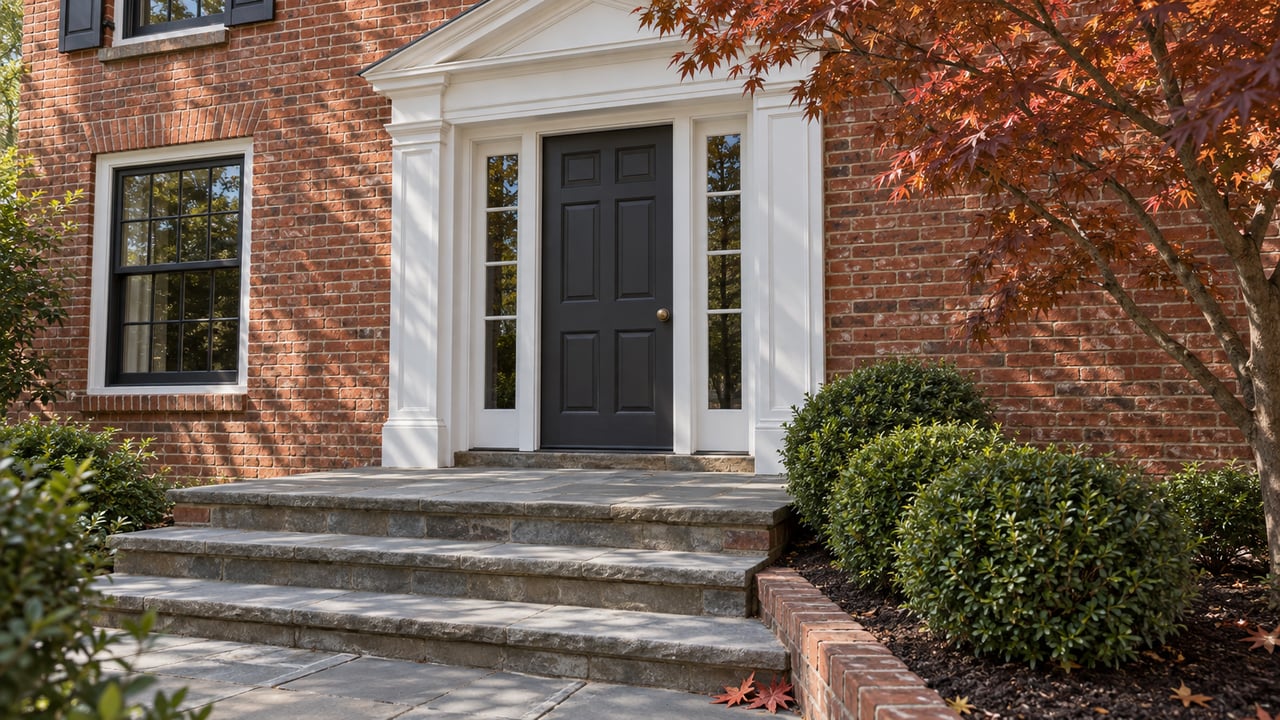
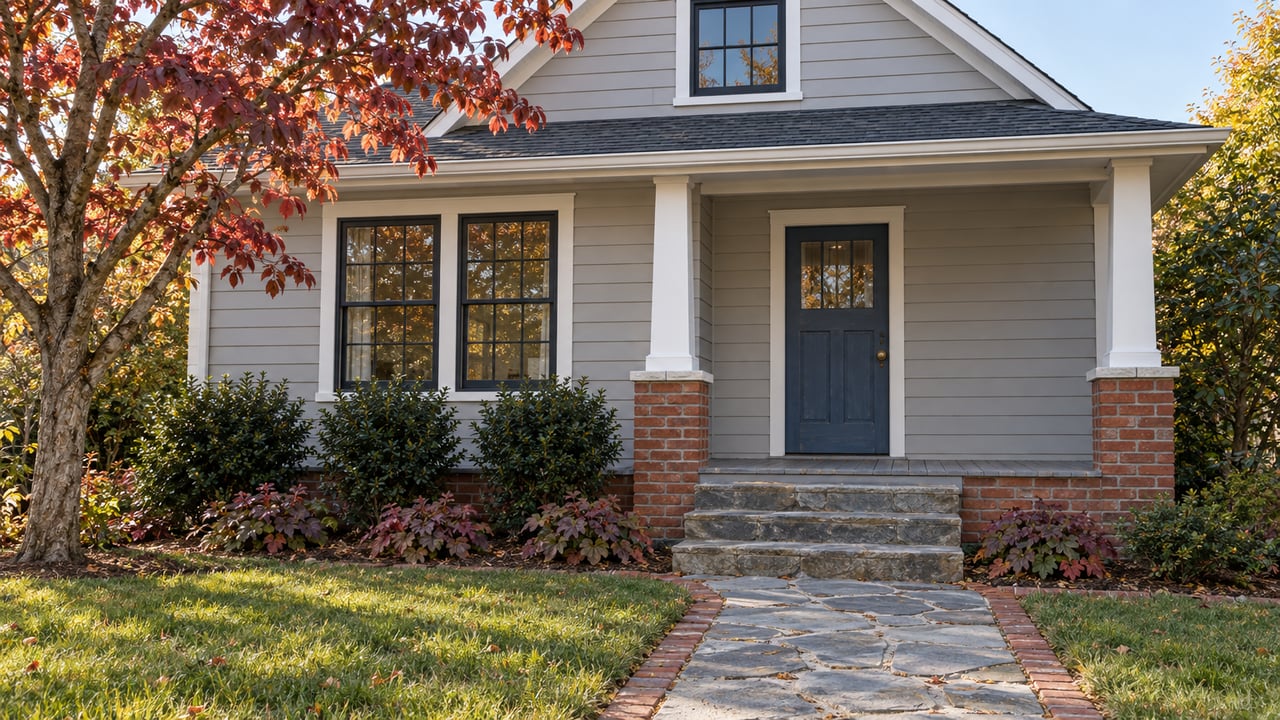
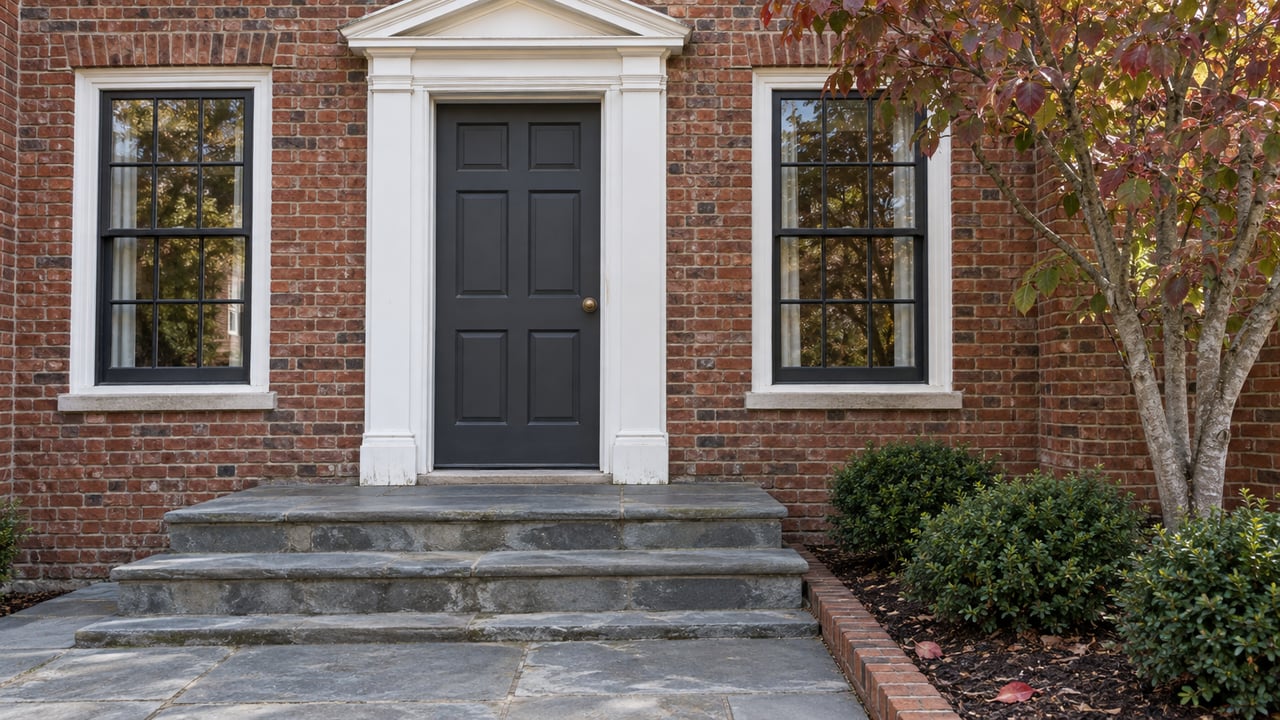
First impressions start at the sidewalk. Tidy landscaping, a freshly painted front door, crisp porch details, and a well-lit path set the tone. On smaller Lyon Park lots, prioritize usable backyard space with a compact deck or stone patio, efficient plantings, and simple privacy screening.
Choose hardscaping that complements the home’s character, such as brick or bluestone steps. Low-maintenance plantings and evening lighting can create inviting twilight photos that stand out online.
Mechanical, insulation, and code basics
Behind-the-scenes improvements reduce buyer objections and inspection risk. Service or replace HVAC as needed, update electrical panels and water heaters, and add air sealing or insulation where appropriate. These upgrades may not be flashy, but they stabilize negotiations and support value.
Keep permit records and final inspection certificates. Documented work builds buyer confidence and helps appraisers recognize quality.
Appraisal and scope: right-size your spend
How appraisers view renovations
Appraisers rely on comparable sales in Lyon Park and nearby submarkets. Improvements that match the scale and quality of recently renovated homes are more likely to be reflected in supported value. Over-improving beyond neighborhood norms can leave return on the table.
Quality of materials, craftsmanship, functionality, and permit documentation all matter. Align your plans with what is trading well in the area and keep records organized for both buyers and appraisers.
Permits and documentation
Confirm with Arlington County if your scope needs permits. Structural work, major electrical, plumbing, HVAC, additions, and some window replacements often require them. Unpermitted work can delay closings and trigger renegotiations.
Save permits, inspection sign-offs, and contractor invoices in one file. Provide this packet to your listing agent, buyers, and the appraiser.
Cost vs value framing
Start with cosmetic updates that have broad appeal and strong photo impact. Kitchen and bath refreshes are high-impact but should be scoped to neighborhood expectations. Systems and roof work often deliver their value by avoiding inspection credits and speeding your path to closing.
For budget planning, get local contractor bids to understand current pricing and lead times. Calibrate finish level to recent sales so your dollars show up where buyers and appraisers will notice.
A seller’s priority checklist and timeline
Follow this sequence to maximize marketability without overbuilding:
- Clean, declutter, deep clean, and paint a whole-home neutral palette.
- Refinish original hardwoods or repair visible floor issues.
- Refresh the kitchen with refacing or refinishing, new counters, hardware, and lighting.
- Update bathrooms with fresh tile, vanities, lighting, and ventilation.
- Add layered lighting with quality LED fixtures and dimmers.
- Elevate curb appeal and create a simple, usable backyard space.
- Repair or replicate millwork where it is worn or missing.
- Address mechanicals, roof, and any safety items, and gather permits.
- Consider larger layout changes only if comps support the scale and cost.
Typical timelines:
- Paint and declutter: 1 to 2 weeks.
- Hardwood refinishing: 3 to 7 days per floor, plus curing.
- Kitchen refresh: 2 to 6 weeks depending on scope and lead times.
- Bathroom refresh: 1 to 3 weeks per bath for cosmetic work.
- Permitting: build in extra time, since approvals can add weeks depending on scope.
Staging and photography that convert online
Plan your shoot for mid-morning or late afternoon to capture natural light. Keep rooms minimally furnished to emphasize flow and highlight original millwork. In kitchens and baths, clear counters and add a few simple styling touches, like fresh towels or a bowl of fruit.
Consider a twilight exterior to showcase lighting and landscaping. Provide your agent and appraiser with a concise list of updates and recent comparable renovated sales in Lyon Park to support value.
Material and style guide for 1920s–40s homes
- Trim and doors: narrow- to medium-height baseboards, picture rails where original, simple paneled doors. Keep profiles consistent.
- Kitchen finishes: shaker or inset-front cabinets, quartz or honed stone counters, subway or classic patterned tile backsplash, and under-cabinet lighting.
- Bath finishes: classic subway or hex tile, modest-scale vanities, and a preserved original tub where feasible.
- Flooring: refinish existing hardwoods or use engineered wood with modest grain and medium stains. Avoid ultra-dark or highly distressed tones that can date quickly.
- Metals: coordinate hardware in matte black, antique brass, or oil-rubbed bronze for a cohesive look.
- Efficiency: LED lighting, tuned HVAC, and added insulation are marketable features for today’s buyers.
Put a designer’s eye on your sale
If you want every dollar to work harder, lean on expert preparation. With design-first listing strategy, curated staging, and deep neighborhood knowledge, you can present a Lyon Park home that feels both authentic and turnkey. From value-minded kitchen and bath refreshes to a polished marketing launch, you will get a clear plan and hands-on guidance.
Ready to tailor the right upgrades for your home and timeline? Schedule a consultation with Caitlin Platt to map the strategy, finishes, and staging that will help you sell with confidence.
FAQs
What upgrades give the best ROI before selling in Lyon Park?
- Start with paint, floor refinishing, lighting, and a targeted kitchen or bath refresh that fits neighborhood norms, then address mechanicals to reduce inspection risks.
How much should I open walls in a 1930s Lyon Park home?
- Create modest openings to improve sightlines without erasing character, and confirm if structural work needs permits and documentation to support appraisal and buyer confidence.
Are full kitchen gut renovations worth it in Lyon Park?
- Often a smart refresh outperforms a full gut unless comps support a luxury finish; prioritize layout efficiency, durable counters, updated lighting, and right-sized appliances.
Do mechanical and insulation upgrades help my sale price?
- They strengthen your position by reducing objections and inspection credits, and when documented, they support appraisals and buyer confidence even if they are not flashy.
What curb appeal projects matter most on smaller Lyon Park lots?
- Focus on a clean entry, fresh paint at the door and porch, tidy plantings, and a simple deck or stone patio that adds usable outdoor living without overpowering the yard.