Picture your weekday starting with a quick Metro ride, a lunch stop at a vibrant food hall, and an evening walk through a tree‑lined park. If you are weighing a move to Arlington and want a car‑light lifestyle with options at your door, Ballston in 22203 belongs on your shortlist. In this overview, you will learn how Ballston moves, eats, shops, and relaxes, plus what the housing mix looks like and how it compares to nearby Clarendon. Let’s dive in.
Ballston at a glance
Ballston sits at the western end of Arlington’s Rosslyn–Ballston corridor, a string of walkable neighborhoods built around the Metro. The Ballston station area is planned as a high‑density, mixed commercial and residential center of about 260 acres, with quick access to I‑66 and Glebe Road. You will feel the “new downtown” energy in the core, with quieter, leafy blocks only a few minutes’ walk away. Arlington County’s Ballston planning page provides a helpful overview of the area’s vision and scale.
Walkability is a standout. ZIP 22203 posts a Walk Score in the mid‑80s, while the Ballston–Virginia Square neighborhood reaches the 90s, which reflects dense, mixed‑use blocks and frequent transit. You can check the numbers for yourself on Walk Score’s 22203 page.
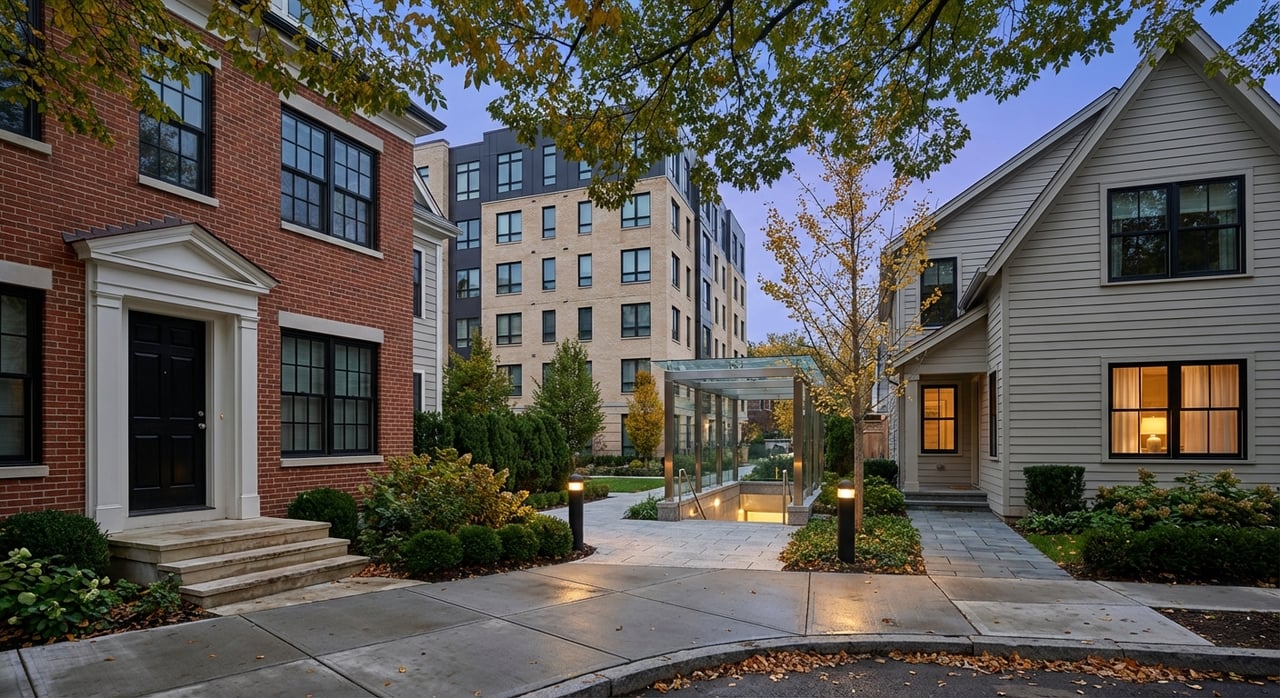
Ballston’s core includes high‑rise towers, office and institutional space, and the reimagined Ballston Quarter. Just beyond the center, you will find side streets with low‑rise condos, garden apartments, and established residential blocks. The mix brings weekday buzz and an evening draw for dining and entertainment, with a steady stream of short, first‑mile trips on foot, bike, and bus.
Commute and connection
Metro access
The Ballston–MU station is served by the Orange and Silver lines and functions as a major hub for Metrobus and Arlington Transit (ART). The station opened in 1979 and anchors the neighborhood’s transit‑oriented development. You can skim station details on the Ballston–MU page.
Typical travel times
In‑train rides to core D.C. hubs like Metro Center often clock under 20 minutes. Door‑to‑door, most commuters budget about 25 to 45 minutes depending on walk time, transfers, and time of day. If you want to pressure‑test your route, plug your exact address into a trip planner during peak hours and compare options.
Bikes, trails, and first‑mile choices
You will see Capital Bikeshare docks, bike racks, and scooters around the station core. Ballston links directly to Arlington’s trail network, including the Custis Trail, the Bluemont Junction Trail, and connections to the regional W&OD corridor. These routes make it easy to run, bike, or roll to work and weekend plans. Explore trail maps and connections through Arlington County Parks and Trails.
On a summer morning, it is common to see neighbors cruising east on the Custis toward Rosslyn or dropping south to Four Mile Run. The short Bluemont Junction spur offers a mellow link to green space just a few minutes from the station area.
Bus and station amenities
Multiple Metrobus lines and ART routes feed Ballston–MU. The design emphasizes walkable access and transit connections rather than large surface parking, which keeps the streets active throughout the day. For service lines and station context, see the Ballston–MU overview.
Everyday convenience and culture
Ballston Quarter and Quarter Market
Ballston’s retail and entertainment heart is Ballston Quarter, a mixed indoor‑outdoor center that reopened after a major redevelopment in 2018 and 2019. The project turned a traditional mall inside out, adding a public plaza, street‑facing shops and dining, and the experiential Quarter Market food hall. The food hall spans roughly 25,000 square feet and hosts a rotating mix of concepts, so trying something new is easy.
Picture a weekday lunch at Quarter Market, then catching a movie in the evening or meeting friends for a class at a nearby fitness studio. The property and surrounding blocks hold much of the neighborhood’s casual energy.
Weekly rituals: farmers market and programming
On Thursday afternoons, Welburn Square across from the Metro comes alive with the FRESHFARM farmers’ market. The season typically runs April to November, along with occasional winter hours and “Mega Market” events. It is a simple way to stock up on produce, grab a snack, and meet neighbors. Check the latest schedule on the Ballston farmers’ market page.
Everyday errands within minutes
Within a short walk, you will find sit‑down and fast‑casual restaurants, a movie theater, fitness studios, and mid‑to‑large grocers and big‑box options. Many residents plan their weeks around short walks for errands, making car‑light living very doable.
Parks and green breaks nearby
Ballston offers quick access to green space that balances the urban core. Quincy Park, Lubber Run Park, and Bon Air Park sit within or just outside the station area, and the network of paved trails connects you to longer routes. A recent county restoration near the core added wetland and pond features that make for a calming midday loop.
On a spring evening, you might leave Ballston Quarter around 6 p.m., cut through the public plaza, and reach tree shade in minutes. Dog walking, pick‑up games, and casual picnics are all regular sights. Explore routes and amenities through Arlington’s Parks and Trails hub.
Housing mix and buyer tips
What you will find
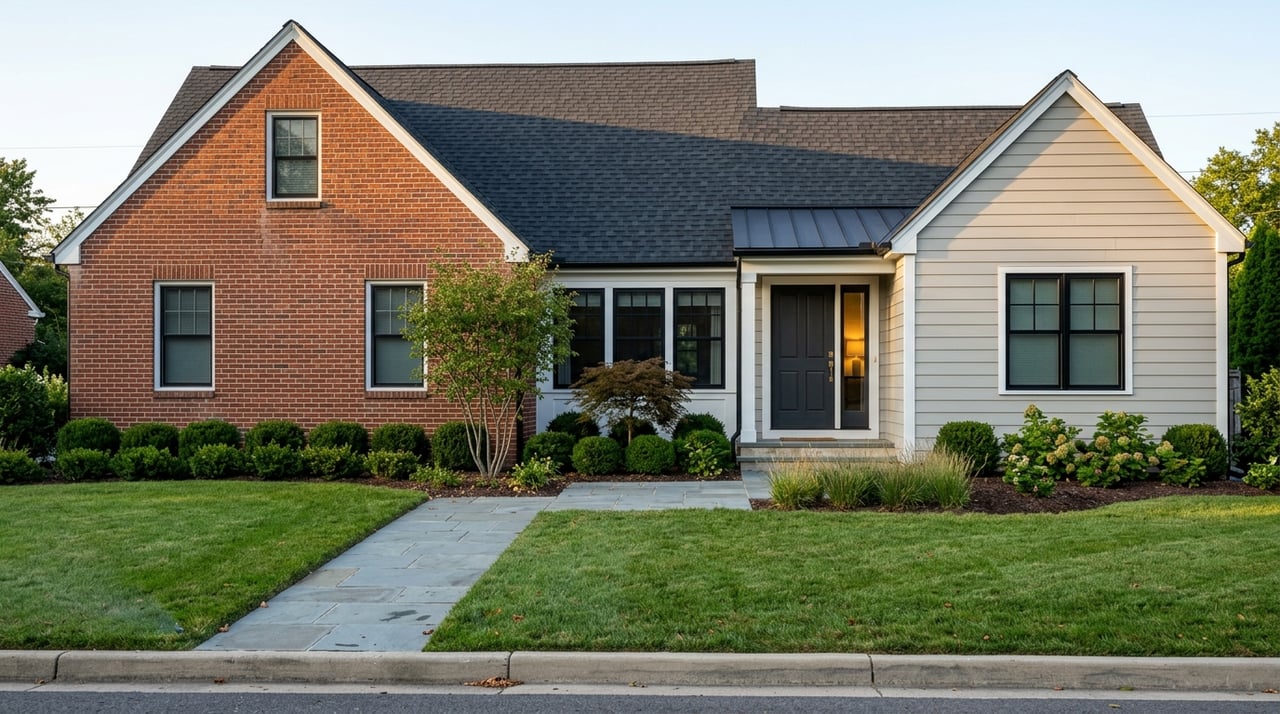
Closest to the station, expect amenity‑rich high‑rise condos and rental buildings. A few blocks out, you will see low‑rise condos and garden apartments on side streets. Beyond the core, you will find townhomes and traditional single‑family homes on tree‑lined streets. This “bullseye” pattern follows decades of corridor planning that places the highest density near Metro stops. For the planning context, see Arlington County’s Ballston materials.
Recent redevelopment has also added substantial residential capacity. For example, the Ballston Quarter project incorporated a large mixed‑use residential tower as part of its plan to bring new energy and housing to the former mall site. If you enjoy design and modern amenities, you will find a wide range of choices near the core. You can read more about the redevelopment scale and intent in this NAIOP feature on Ballston Quarter.
Price context and how to read it
ZIP‑level medians for 22203 are widely published by public aggregators and often land in the mid‑$600k range. That said, these numbers can swing from month to month because the ZIP covers a mix of unit types, including lower‑priced senior‑living condo sales, mid‑market condos, and higher‑end townhomes or single‑family homes. A better approach is to examine 3‑ to 6‑month sold comps for the specific building or block you have in mind and to compare like‑for‑like unit sizes.
When you budget, remember the practical trade‑offs:
- Near the station: smaller footprints and strong amenities, with HOA or condo fees to consider.
- Side streets a few blocks out: a quieter feel, sometimes at a lower price point for similar square footage.
- Beyond the core: townhomes or single‑family homes with more space and yards, typically at higher purchase prices.
- Parking varies by building type, so confirm garage spaces, guest options, and street rules during your search.
Who Ballston suits
If you value quick Metro access, walkable errands, and options for dining and entertainment without a long drive, Ballston fits well. It also suits buyers who want newer, amenity‑forward buildings and close access to parks and trails. If you prefer more space and a quiet street, you will find those options just outside the core while still keeping a short walk to transit.
Ballston vs. Clarendon: quick comparison
Ballston and Clarendon share the same transit spine and walkable DNA. The feel, however, is distinct. Clarendon is often described as an urban village with a strong cluster of restaurants and boutique retail. Ballston leans into the “new downtown” profile, with larger mixed‑use buildings, an office and institutional presence, and the Ballston Quarter anchor. Corridor planning over time has supported these different roles, which gives each station a clear identity. For a broader look at how transit‑oriented neighborhoods take shape, see this overview of best practices in The New Transit Town.
If you are daydreaming between the two, try this: spend an evening in each. Have lunch at Quarter Market in Ballston, then walk Wilson Boulevard toward the Metro. On another day, explore Clarendon’s dining cluster and side streets. You will feel the difference in scale, storefront mix, and pace right away.
Ready to explore homes in 22203?
If Ballston’s balance of urban convenience and nearby green space speaks to you, let’s talk about your next move. With a design‑first approach, deep neighborhood expertise, and exclusive builder partnerships, Caitlin Platt can help you compare buildings, understand true comps, and secure the right home in a competitive market. Whether you want a polished condo near the Metro, a townhome with a private garage, or early access to new construction, you will get tailored guidance and presentation‑driven strategies that create value.
FAQs
How walkable is Ballston in 22203?
- ZIP 22203 posts a Walk Score in the mid‑80s and the Ballston–Virginia Square area reaches the 90s, reflecting dense retail and frequent transit; see the Walk Score summary.
What is the commute from Ballston to downtown D.C.?
- In‑train rides to core D.C. stations are typically under 20 minutes, with door‑to‑door commutes often in the 25 to 45 minute range depending on connections; see the Ballston–MU station overview and test your route during peak hours.
What are the main parks and trails near Ballston?
- Quincy Park, Lubber Run Park, and Bon Air Park are close by, and the Custis Trail, Bluemont Junction Trail, and W&OD connections make running and biking simple; explore maps via Arlington Parks and Trails.
What is Ballston Quarter and what can you do there?
- Ballston Quarter is the neighborhood’s indoor‑outdoor retail and entertainment core with a public plaza, a 25,000‑square‑foot Quarter Market food hall, cinema, restaurants, and fitness; browse the Ballston Quarter directory.
How should I interpret home prices in 22203?
- Public snapshots often show mid‑$600k for the ZIP, but medians shift with the sales mix; focus on building‑level comps from the past 3 to 6 months and account for HOA or condo fees when comparing options.