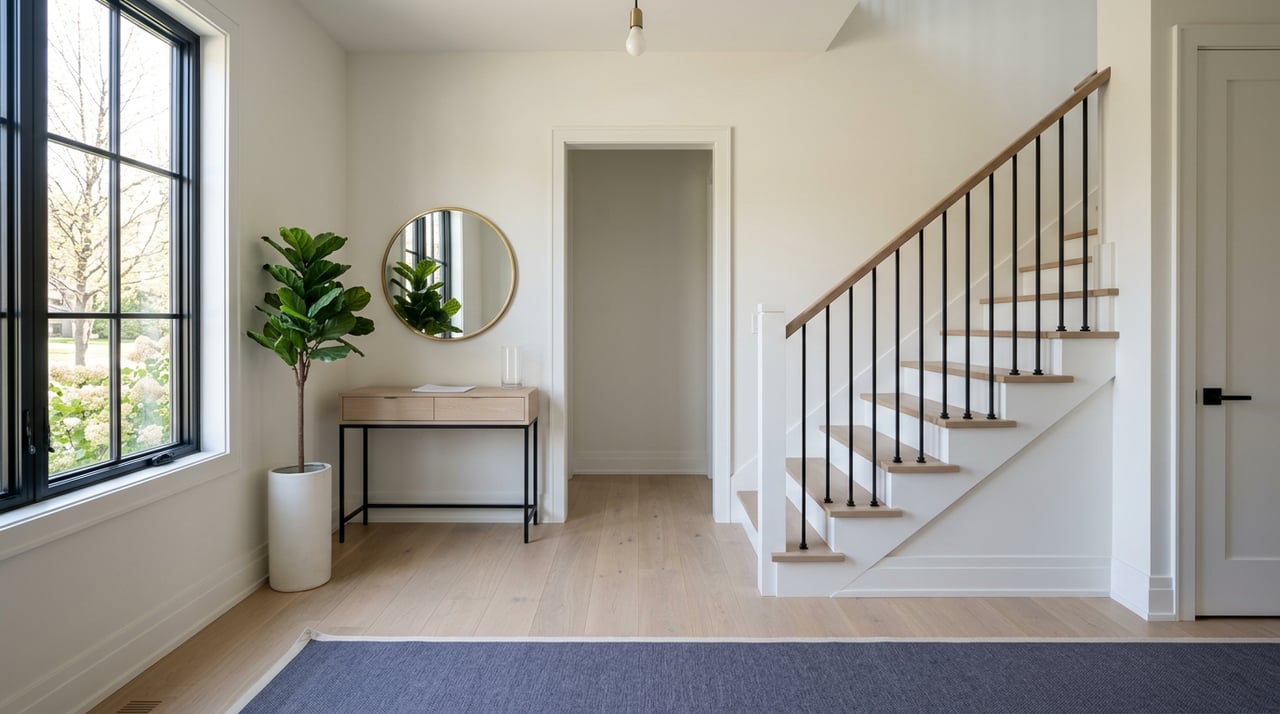
Thinking about a brand-new home in North Arlington but unsure where to start? You are not alone. Between product types, contract terms, inspections, and county permitting, the process can feel complex. This guide breaks it down so you can move forward with clarity, confidence, and a realistic timeline for Arlington, Virginia. Let’s dive in.
What “North Arlington” means for buyers
North Arlington typically refers to the county’s northern residential neighborhoods with tree-lined streets and a strong single-family presence. Areas commonly included are Lyon Village, Cherrydale, Donaldson Run, North Highlands, and Westover, among others. For a broad overview of neighborhood definitions and planning corridors, review Arlington County’s neighborhoods overview.
For market framing, the countywide Zillow Home Value Index sits around $806,910 as of January 31, 2026. You can explore the latest read on values on the Arlington housing market page. In North Arlington’s core single-family pockets, many new builds and updated resales trade above the countywide average, so plan your budget with that in mind.
New construction products you will see
Spec or developer-built
A builder completes a home and lists it for sale. You get a faster path to closing and a predictable schedule. Customization is limited to what the builder offers, and upgrades are often priced as add-ons.
Semi-custom or plan-based
You start with a base plan and choose finishes with limited plan changes. This is a balance of speed and personalization. Watch change-order costs and timing if you modify beyond the base scope.
Fully custom
You design to your program and lot. You gain full control but accept the longest timeline and higher soft costs for design, permits, and financing. Custom builds carry the most exposure to cost and schedule changes.
Townhouses and small-lot infill
You will see new townhomes and attached infill along key corridors and arterials. The tradeoff is modern layouts and new systems near amenities with a smaller lot and potential HOA rules. County planning conversations, including corridor studies, shape where this product appears. You can follow updates through Plan Langston Boulevard.
How to read floor plans and finishes
When you walk a model or review plan books, use this short checklist to stay focused on value and performance:
- Structure and envelope. Ask about roof type and warranty, water management details, and the insulation and air-sealing strategy. Energy code direction in Virginia continues to evolve, and tighter homes improve comfort and operating costs.
- Mechanical systems. Confirm HVAC sizing approach, duct routing and testing, and hot-water system type. Ask about EV-charging conduit and whether the home is wired to be solar-ready.
- Kitchen and bath layouts. Look for proper ventilation paths, clear appliance specs, and thoughtful plumbing rough-ins. Changing plumbing later is expensive.
- Window performance. Request U-factor and SHGC ratings, frame materials, and warranty. These affect comfort and efficiency.
- Allowances and upgrades. Builders use allowances for cabinets, countertops, lighting, and more. Get a current upgrade price list and a clear list of what is included in the base price.
- Lot grading and drainage. Review the final grading plan and stormwater approach. In tight infill, small grading issues can become big post-move maintenance items.
Quick floor-plan red flags
- Narrow mechanical closets with poor access
- Low ceiling heights in key living areas
- No dedicated mudroom or drop zone near a common entry
- Bedrooms without functional wall space for standard bed sizes
- Long, windowless interior corridors that limit natural light
- Laundry without a drain pan or nearby floor drain
- No EV conduit to the garage
- No whole-house ventilation or fresh-air strategy
Builder due diligence and contracts
Start with licensure. Verify the builder with Virginia’s Board for Contractors through DPOR’s license lookup. Request the license number, classification, proof of insurance, and any complaint history.
Understand your warranties. Virginia law creates implied warranties on new dwellings for workmanlike construction, with one year for most defects and five years for certain foundation issues. Review Va. Code § 55.1-357 on implied new-home warranties. Builders may also offer company or third-party warranties. Compare written coverage terms and claims processes, and confirm how they interact with statutory protections.
Contract-review checklist
- Ask for explicit allowances and an itemized list of included fixtures and appliances.
- Watch for unilateral change-order clauses and short cure periods.
- Confirm deposit and escrow rules and how funds are protected.
- Insist on a realistic schedule with defined milestones and remedies if delivery slips.
- Clarify what counts as a punch-list item and how long the builder has to resolve it.
- Have your agent and a Virginia real estate attorney review the agreement before you sign.
Inspections and quality control
County inspections confirm code compliance, but they are not a substitute for a buyer-hired inspector focused on craftsmanship and completeness. A phased inspection plan is common in new construction. Providers such as HouseMaster outline these touchpoints. Review their overview of new-construction inspections:
- Pre-pour or foundation inspection before slab or backfill
- Pre-drywall or framing inspection when rough-ins are open
- Final pre-closing inspection before the builder walkthrough
- Eleven-month warranty inspection before the typical one-year mark
These steps generate objective punch lists and preserve your warranty leverage.
Permitting, CO, and realistic timelines in Arlington
Arlington County provides estimated plan-review times for residential new construction. The county target for Residential New Construction review is about 10 business days, though complexity and review cycles can extend the process. See the county’s residential plan review process.
No one may occupy a home until the County issues a Certificate of Occupancy. Arlington recommends filing the CO application at least two weeks before your intended occupancy. Read the County’s Certificate of Occupancy steps and build this timing into your closing plan.
Typical build durations vary by product type. Spec and production homes often run several months after permitting. Semi-custom takes longer. Fully custom projects often take 9 to 18 months or more from permit to move-in. Always add a buffer for weather, supply-chain delays, change orders, and CO issuance.
Sample preparation timeline
- Lot identified and offer accepted
- Plans and permits submitted. Expect about 4 to 8 or more weeks depending on scope and review cycles.
- Construction phase. Roughly 4 to 18 months depending on spec versus custom, size, and finish level.
- Final inspections and CO. Apply at least two weeks before occupancy and plan for final punch-list resolution before closing.
Financing the build
Construction loans fund the work in stages and carry different terms than a standard purchase mortgage. The Consumer Financial Protection Bureau explains the basics of construction-only versus construction-to-permanent structures in this overview of construction loans.
- Construction-only loan. Short-term financing that you refinance into a permanent mortgage at completion. There are two closings. Be mindful of rate changes before you refinance.
- Construction-to-permanent loan. A single closing that converts to a permanent loan at completion. Fewer closings and costs in many cases, but lender terms vary.
Lenders usually require a licensed builder, a fixed schedule, and inspections for each draw. Expect extra documentation and fees. Many buyers budget a 15 to 20 percent contingency for upgrades and overruns. Model the all-in cost of purchase plus upgrades, timeline, and rate scenarios so you can compare a new build with a nearby resale.
New build vs resale in North Arlington
New construction delivers modern layouts, energy-minded systems, and warranties with lower near-term maintenance. You pay a premium for new finishes and the ability to personalize, and even small upgrades can add up. Resales can offer lot location advantages, mature landscaping, and faster occupancy. Some resales may need immediate capital for updates. The right choice depends on your timetable, tolerance for construction, and design priorities.
A helpful exercise is to compare price per square foot and total ownership cost for a target new build against a comparable updated resale. Include allowance upgrades, potential lender incentives, property tax reassessment timing, and estimated maintenance and efficiency savings. Your agent can pull relevant local comps and help you pressure test the numbers.
Local planning to watch
County planning shapes what gets built and where. For North Arlington corridors, follow Plan Langston Boulevard to see how reinvestment, design standards, and stormwater requirements may guide townhouse and mixed-use infill. Arlington also adopted a Housing Conservation District framework to balance reinvestment and preservation in select areas. You can review the County’s background on the Housing Conservation District adoption. Ask builders for documentation of code compliance and any sustainability measures related to your home.
Work with a local, design-minded partner
New construction success in North Arlington hinges on smart planning and the right team. With a design-forward approach and exclusive builder representation with BCN Homes, Caitlin Platt offers early access to to-be-built and model inventory, plus informed guidance through contracts, selections, inspections, and closing. If you want a calm, expert process that keeps design and value front and center, connect with Caitlin Platt.
FAQs
How long does a new build take in North Arlington?
- Spec and production homes often complete in several months after permit, while custom builds commonly run 9 to 18 months or more, plus time for plan review and the Certificate of Occupancy.
Do I still need inspections if the County inspects the home?
- Yes. County inspections confirm code compliance, but independent phased inspections focus on craftsmanship and completeness and help you create objective punch lists before closing.
What warranties protect me when buying a new home in Virginia?
- Virginia’s implied warranties cover workmanlike construction for one year and certain foundation issues for five years, and builders may offer additional written warranties with separate terms.
What are the key Arlington permitting and CO steps before move-in?
- Plan for residential plan review, final inspections, and a Certificate of Occupancy application filed at least two weeks before your intended occupancy.
How does a construction-to-permanent loan work for buyers?
- You close once, then the loan converts to a permanent mortgage at completion. Lenders fund construction in draws and require inspections and documentation at each stage.
How do I check a Virginia builder’s license and track record?
- Use the DPOR Board for Contractors license lookup to verify licensure, classifications, and any complaint history, and request proof of insurance from the builder.