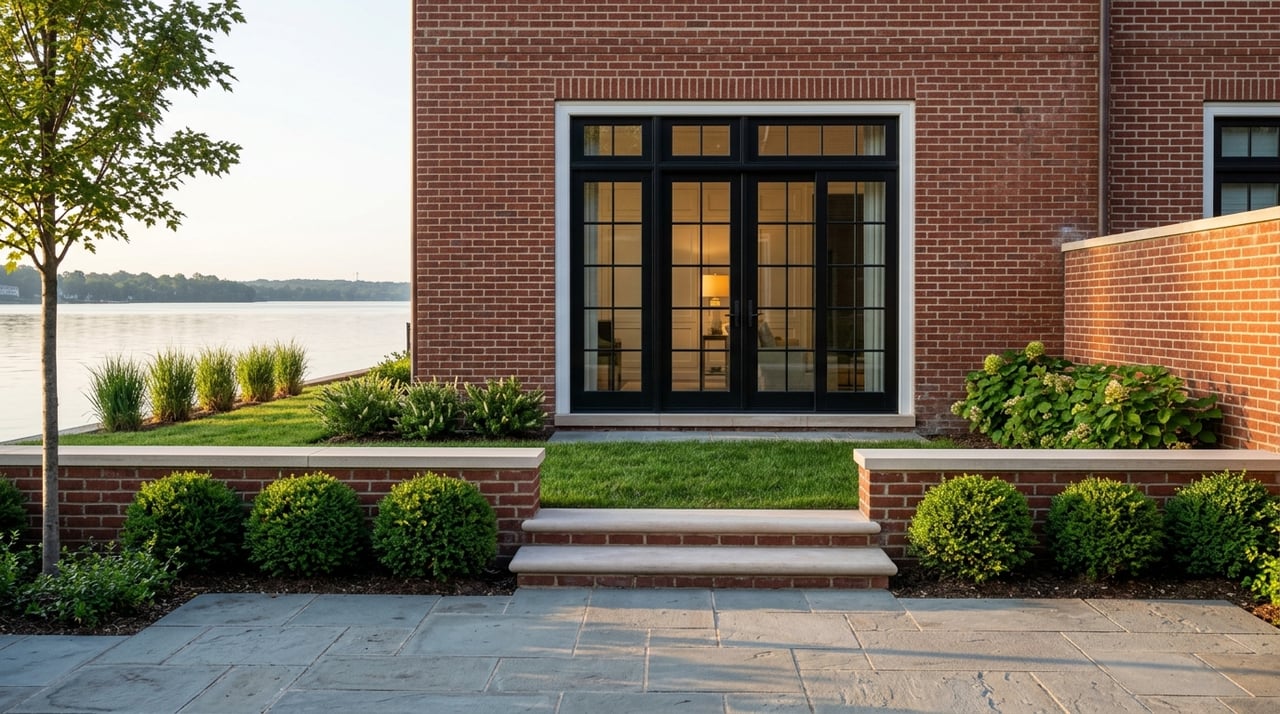
Picture a waterfront home in Alexandria and you might imagine a quiet resort strip or a row of detached houses facing the water. In reality, Alexandria’s waterfront offers something more layered and more urban. If you are considering a move here, it helps to understand how the river, the historic streets, the parks, and the housing all work together. Let’s dive in.
Alexandria Waterfront Basics
Alexandria’s waterfront sits within Old Town, the city’s historic urban core dating back to 1749. This is not a separate beach district set apart from daily life. It is woven into one of the region’s most established and recognizable urban neighborhoods.
Much of Old Town is part of a National Register Historic District, and many buildings are protected through local preservation review. That historic framework shapes the feel of the waterfront, from brick rowhouses and narrow streets to preserved facades and a strong sense of place.
The waterfront itself is best understood as a collection of public spaces and riverfront destinations rather than one continuous shoreline promenade. The City of Alexandria describes the area as 23 acres of parks, trails, shops, dining, historic sites, and a marina.
What the Waterfront Feels Like
Alexandria’s waterfront feels active, walkable, and connected. You are not stepping into an isolated enclave. You are stepping into a riverfront section of a living neighborhood where parks, restaurants, boating activity, trails, and public events all overlap.
Places like Waterfront Park, Oronoco Bay Park, Jones Point Park, Windmill Hill Park, Shipyard Park, Point Lumley Park, and Rivergate City Park give the shoreline variety. Some areas feel open and green, while others feel closely tied to the historic street grid and marina activity.
The setting also reflects Alexandria’s maritime history. The Strand Street Walkway traces the 1845 shoreline, and Point Lumley Park is being shaped to reflect the city’s working waterfront past. That gives the area a more layered character than a typical waterfront district built mainly around new construction.
Daily Life on the Alexandria Waterfront
Walking and biking are part of the routine
One of the biggest lifestyle advantages here is how easy it is to get outside. The Mount Vernon Trail runs through Alexandria and offers 18 miles of paved multi-use trail connecting the city to Arlington, Fairfax County, and Potomac bridge crossings into Washington, D.C.
The trail is open year-round from 6 a.m. to 10 p.m. and sees more than one million pedestrians and bicyclists each year. For many residents, that means a river walk, bike ride, or active commute can become part of everyday life rather than a weekend plan.
Alexandria also has a 15.4-mile off-street trail network connecting major parks and communities, including Old Town and Potomac Yard. That broader network supports walking, jogging, biking, and other daily movement beyond the waterfront itself.
Boating and marina access shape the area
The river is not just scenery here. The City Marina supports overnight slips, short-term docking, sightseeing, charter services, and water taxi routes.
Water taxi service connects Alexandria to Georgetown, Mount Vernon, National Harbor, and Gaylord National Convention Center. For some buyers, that adds a fun lifestyle element. For others, it simply reinforces that the waterfront stays active and tied to the river in a practical way.
Dining and events bring energy
The waterfront is also a place where people gather. City programming regularly uses the area for cultural events, festivals, and public activations, and Waterfront Park serves as both public art space and event space.
That energy is part of the appeal. If you like lively surroundings, people watching, and the convenience of having dining and public space close at hand, Alexandria’s waterfront can feel especially rewarding.
Getting Around From the Waterfront
For many buyers, one of the strongest advantages of waterfront living in Alexandria is regional access. King St-Old Town station serves the Blue and Yellow lines and connects to DASH, Metrobus, Amtrak, VRE, and a free daily trolley service to Old Town and the Waterfront.
Braddock Road is another nearby Blue and Yellow line option. In practical terms, that makes it possible to enjoy a walkable, riverfront setting while still staying connected to major employment centers and destinations across the region.
If you are aiming for a car-light lifestyle, this matters. The waterfront is not just attractive on weekends. It can function well for everyday commuting and errands too.
Homes Near Alexandria’s Waterfront
Historic rowhouses and townhomes
When buyers first think of waterfront property, they often picture large detached homes with broad lots. In Alexandria, the more common reality near the waterfront is a historic, higher-density housing pattern.
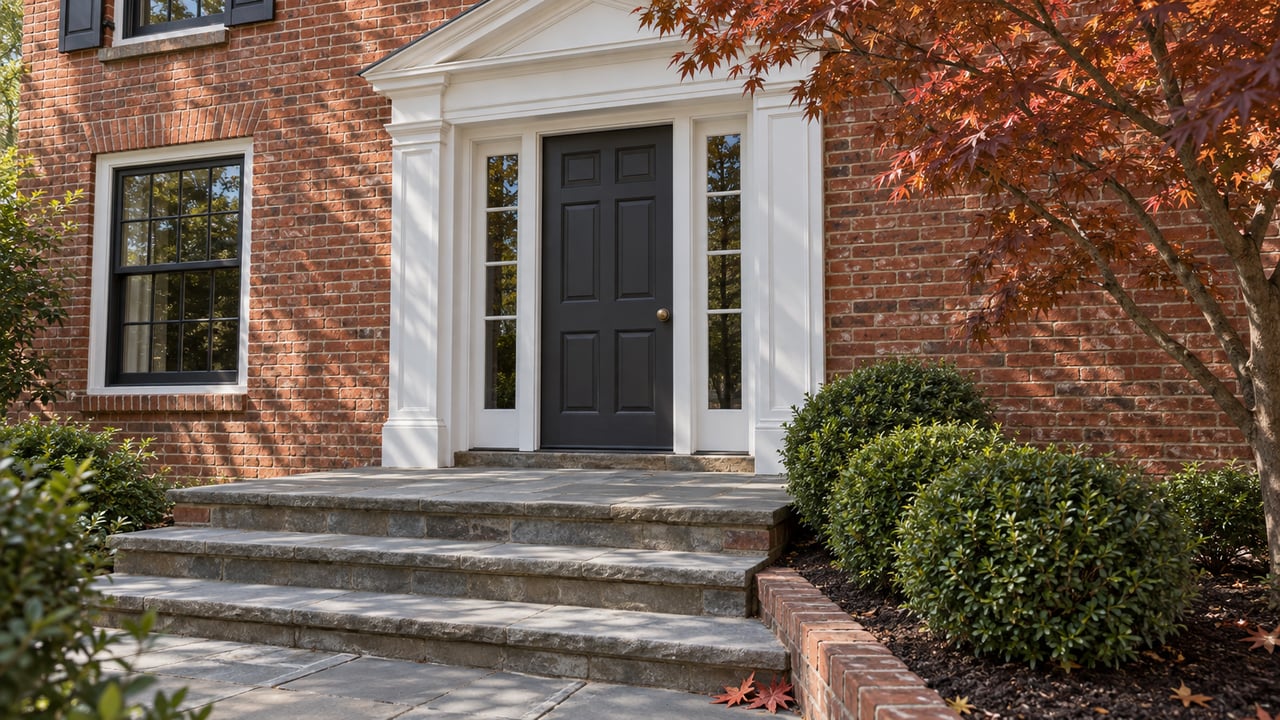
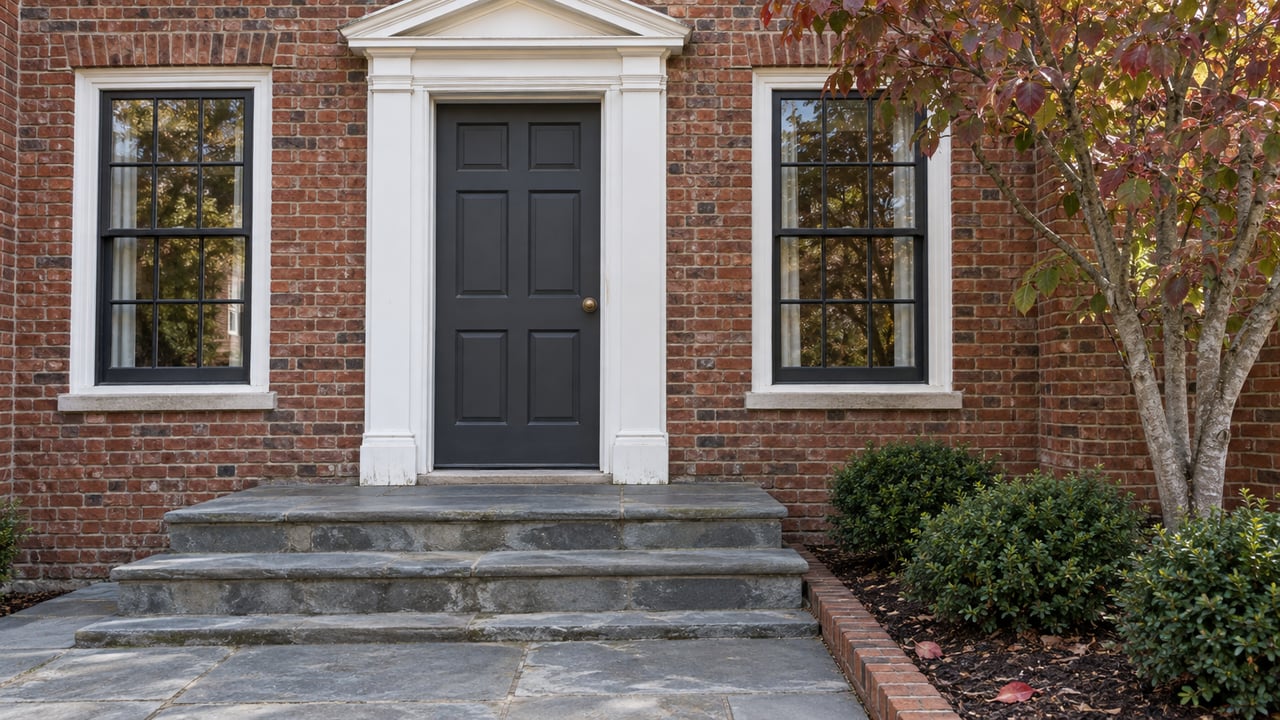
Old Town has a high concentration of townhouses, townhouse-like buildings, and historic dwellings, including brick and frame structures with strong Federal-period roots. Many waterfront-adjacent homes sit within a tight street grid, which means you are often trading yard space for walkability, character, and proximity.
For many buyers, that tradeoff is exactly the point. You may have less private land, but you gain architectural detail, easy access to parks and restaurants, and a home that feels closely connected to the city around it.
Mixed-use and multifamily options farther north
If you move farther north into Old Town North, the housing mix broadens. City planning documents for the area emphasize a balance of residential, retail, arts and cultural uses, and publicly accessible open space.
The Potomac River Generating Station site is planned as a mixed-use, walkable neighborhood with commercial and residential development near the waterfront. Historic interpretation materials also note that Old Town North includes high-rise multifamily residential buildings from the 1960s and 1970s, adding another housing type to the waterfront picture.
That means waterfront living in Alexandria can take several forms. It may be a historic rowhouse a few blocks from the river, a townhouse in Old Town, or a newer multifamily residence in the northern waterfront corridor.
Tradeoffs Buyers Should Understand
Flooding is part of the conversation
Alexandria has a long history of coastal and flash flooding, and the city continues to invest in flood mitigation. Along the waterfront, that includes stormwater conveyance upgrades, pumping stations, shoreline replacement, and riverine flood protection work.
For buyers, this is an important part of the decision-making process. Waterfront living here comes with real infrastructure planning, and in some areas, flood-mitigation work remains active as projects move through design and implementation.
Historic preservation affects home updates
Because much of the waterfront-adjacent housing sits within Old Town’s protected historic fabric, exterior changes may involve review by the Board of Architectural Review. That can affect plans for windows, facades, additions, and other visible updates.
For some buyers, that oversight is a benefit because it helps preserve the area’s visual character. For others, it is simply a practical factor to understand before purchasing a historic property.
The public realm is active
Alexandria’s waterfront is scenic, but it is not secluded. The Mount Vernon Trail is one of the region’s most heavily used multi-use trails during peak periods, and the waterfront supports parks, shops, dining, marina activity, public art, and events.
That means more foot traffic and more public activity than you might find in a quieter residential setting. If you want energy, convenience, and connection, that can be a plus. If you want privacy and stillness above all else, it is worth weighing carefully.
Who Waterfront Living Suits Best
Alexandria’s waterfront often appeals to buyers who want a walkable lifestyle with strong design character and daily access to the river. It can be a compelling fit if you value historic architecture, easy outdoor routines, and the convenience of nearby transit and dining.
It can also work well if you are open to urban tradeoffs. Many homes near the waterfront offer less private outdoor space than suburban alternatives, but they make up for it with location, texture, and an experience that feels distinctly Alexandria.
In short, waterfront living here is best understood as urban riverfront living. It is historic, active, and connected, with real access to parks, trails, boating, and transit woven into everyday life.
If you are thinking about buying near the river in Northern Virginia, a clear understanding of housing type, location, preservation rules, and lifestyle tradeoffs can make all the difference. For tailored guidance on Alexandria and other walkable Northern Virginia neighborhoods, connect with Caitlin Platt.
FAQs
What does waterfront living in Alexandria actually feel like?
- Waterfront living in Alexandria feels like living in an active urban riverfront district within Old Town, with parks, trails, marina activity, dining, events, and historic streets all close together.
What types of homes are near the Alexandria waterfront?
- Homes near the Alexandria waterfront often include historic rowhouses, townhomes, townhouse-like properties, and some newer multifamily or mixed-use residential options farther north in Old Town North.
Is Alexandria waterfront living walkable?
- Yes. The area is closely tied to Old Town’s street grid, public parks, the Mount Vernon Trail, Alexandria’s off-street trail network, and transit connections including the King St-Old Town station and free trolley service.
What should buyers know about flood risk near Alexandria’s waterfront?
- Buyers should know that Alexandria has a history of coastal and flash flooding, and the city continues to invest in mitigation projects such as pumping stations, shoreline work, and stormwater upgrades along the waterfront.
Are there restrictions on updating historic homes near the Alexandria waterfront?
- In much of Old Town, exterior changes may be subject to review because the area includes protected historic fabric and oversight by the Board of Architectural Review.
Is Alexandria’s waterfront quiet or busy?
- Alexandria’s waterfront is generally active rather than secluded, with regular trail use, marina traffic, public events, dining activity, and visitors using the parks and riverfront spaces.