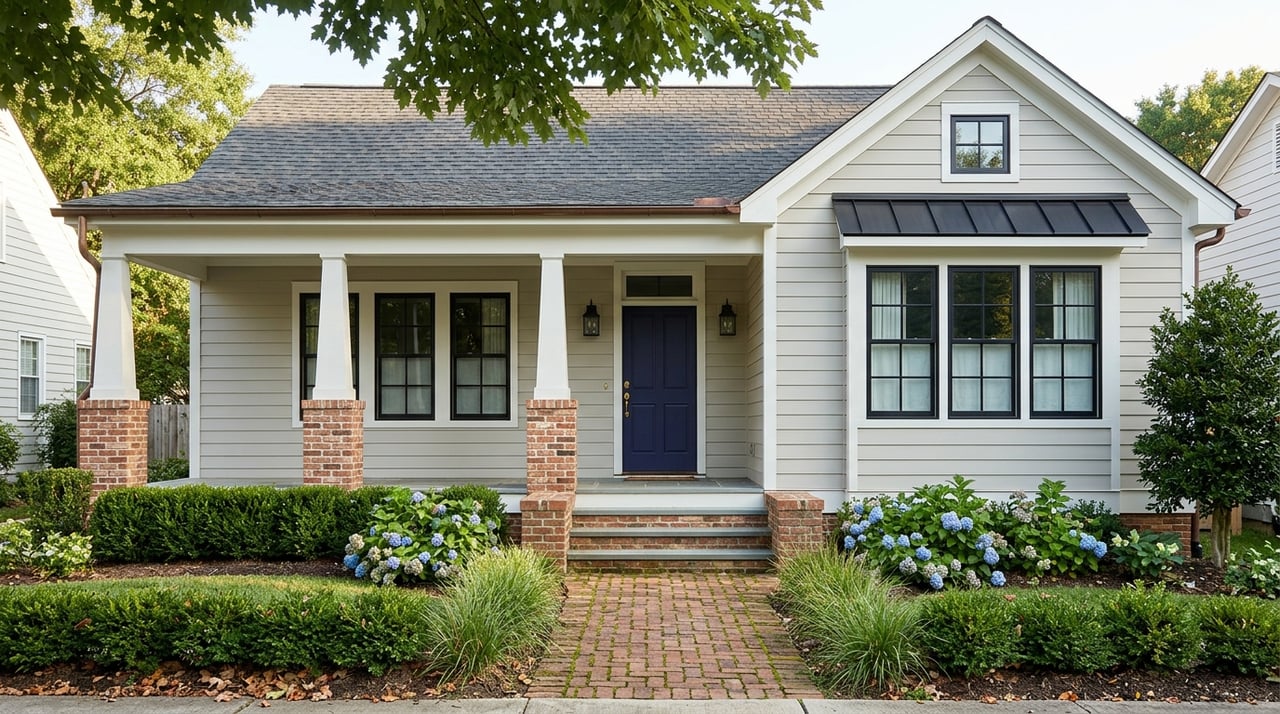
If you are weighing a classic Lyon Park bungalow against a newer home, you are really choosing between two very different ways of living in the same sought-after Arlington neighborhood. That can feel exciting and a little overwhelming, especially when both options have real advantages. This guide will help you compare character, layout, maintenance, efficiency, and resale so you can decide which fit makes the most sense for your goals. Let’s dive in.
Lyon Park Has Two Distinct Home Stories
Lyon Park has deep architectural roots. Built as a bedroom community in 1919, the neighborhood still includes a broad mix of older single-family homes, along with some duplexes, apartments, and a small commercial area near the edges.
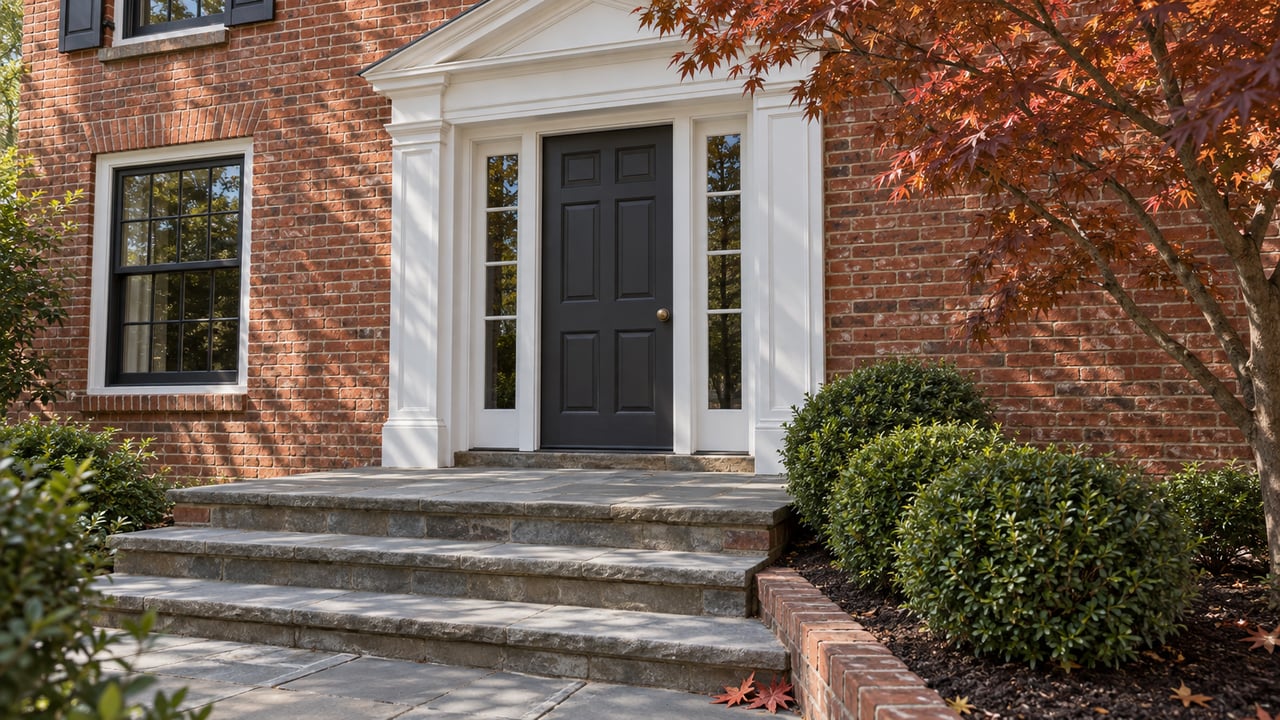
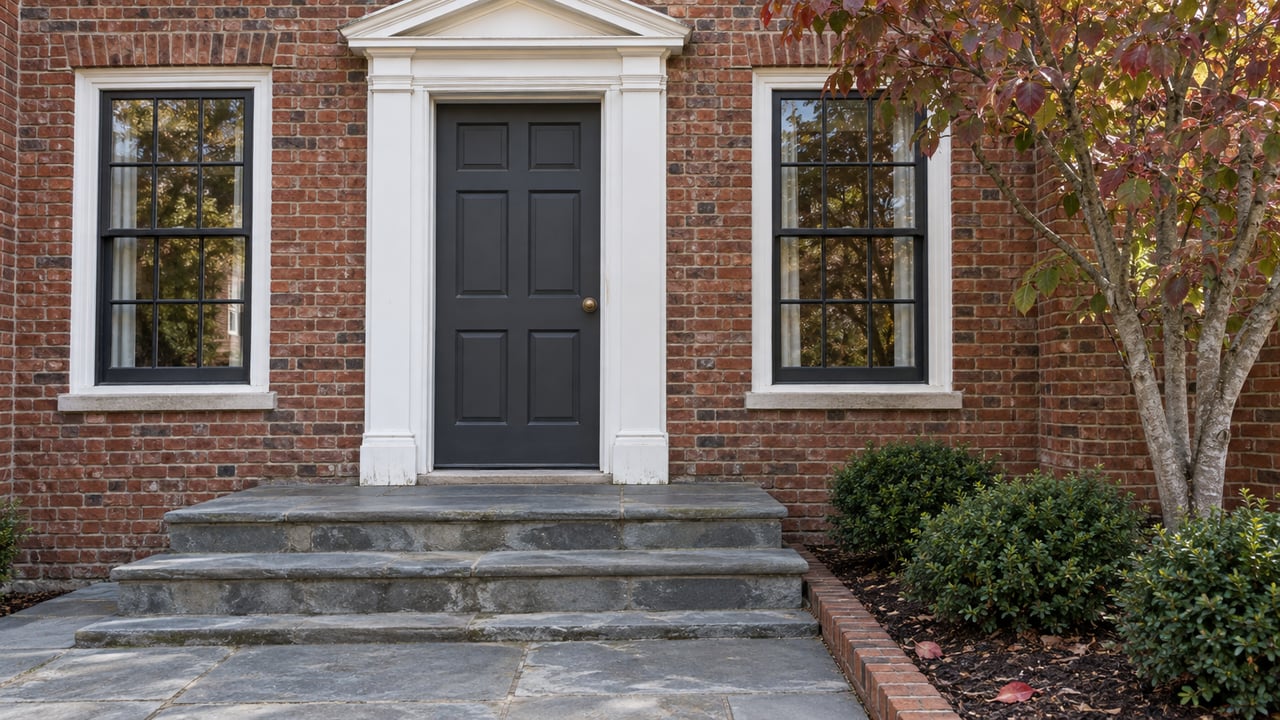
Arlington County describes Lyon Park’s historic housing fabric as including smaller wood bungalows and larger two-and-a-half-story brick homes. Styles represented in the neighborhood include Queen Anne, Craftsman, Colonial Revival, and Tudor Revival, which helps explain why older homes here often feel especially distinctive.
At the same time, Lyon Park has seen years of redevelopment pressure. County conservation materials note concerns about smaller older homes being replaced by much larger infill homes, along with concerns about the loss of mature trees.
That tension is part of what makes the neighborhood so interesting for buyers and sellers today. In Lyon Park, you are not simply comparing old versus new. You are comparing original scale and character against newer size, finish, and convenience.
What Makes Lyon Park Bungalows Appealing
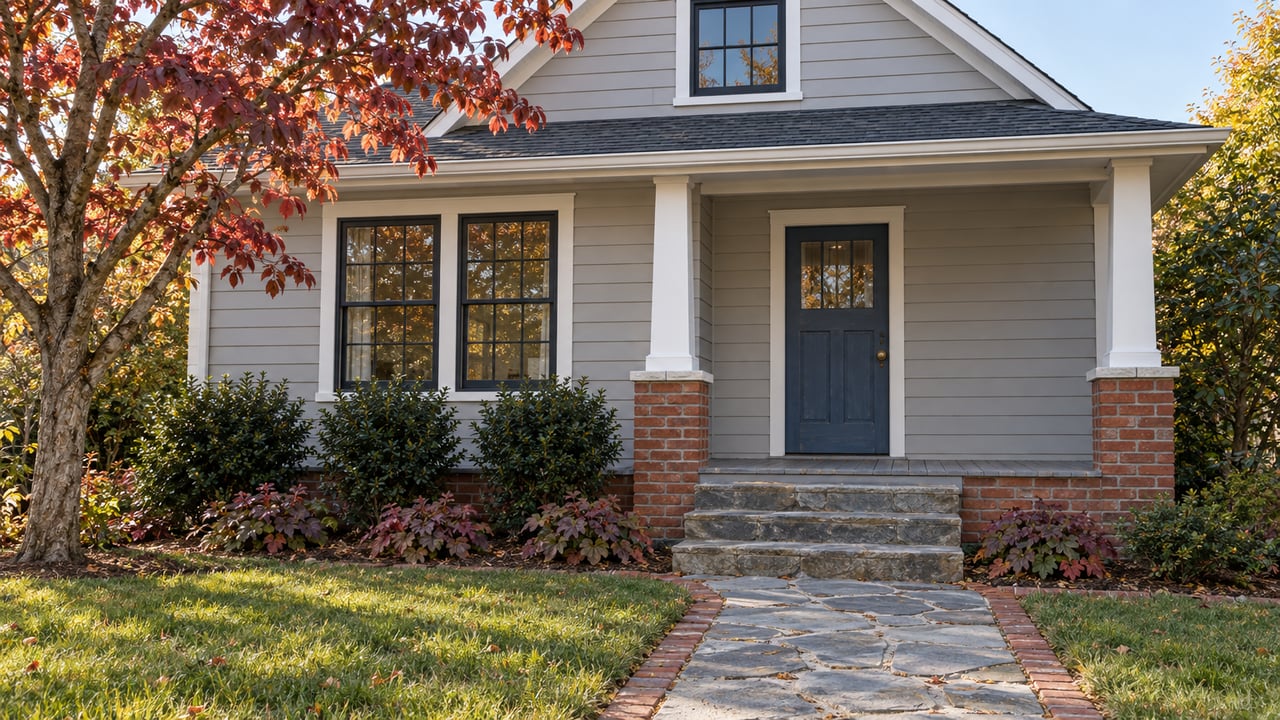
Older bungalows and early homes in Lyon Park often stand out for their charm and proportions. If you are drawn to historic details, a more compact footprint, and a home that feels tied to the neighborhood’s original identity, these properties can be very compelling.
In practical terms, many of the non-new-construction detached homes shown in current neighborhood listings are much smaller than newer builds. Several are in the roughly 1,575 to 2,340 square foot range, which can appeal to buyers who want a more manageable home or who value location and character over maximum interior size.
For some buyers, an older home also offers upside. You may be able to improve comfort, function, and efficiency over time while preserving the look and feel that made you fall in love with the home in the first place.
That said, charm usually comes with tradeoffs. In an older home, the conversation often shifts toward windows, insulation, air sealing, and systems rather than just finishes or floor plans.
Why Older Homes Feel Different
The difference is not only visual. Older homes often have more segmented layouts, smaller rooms, and a scale that reflects how people lived when the neighborhood was first developed.
That can create a sense of warmth and personality that many buyers love. It can also mean less open gathering space, less storage, and a floor plan that may not match every modern lifestyle without some updates.
What Newer Homes Offer in Lyon Park
Newer homes in Lyon Park tend to compete on size, layout, and ease of ownership. If you want generous square footage, open living areas, and a more turnkey experience, newer construction usually checks those boxes more clearly.
Current neighborhood listings show a meaningful size gap. Newer homes in Lyon Park are often around 4,432 to 6,787 square feet, far larger than many older detached homes in the neighborhood.
That extra space usually supports features buyers often want today, such as larger kitchens, more expansive family spaces, additional bedroom suites, and a more contemporary flow. For many households, that combination is worth paying for, especially in a location as established and convenient as Lyon Park.
Newer homes also tend to start with a different maintenance and efficiency baseline. The U.S. Department of Energy notes that new homes can be built to rigorous high-performance standards, and that adding insulation during construction is generally more cost-effective than retrofitting later.
Why New Construction Commands a Premium
In Lyon Park, buyers are paying for more than a new finish package. They are often paying for larger scale, a newer systems profile, and less immediate to-do work.
That premium shows up clearly in the market. While current market snapshots place Lyon Park’s median pricing around the low-to-mid $1 million range depending on the platform, active new-construction examples in the neighborhood have been listed around $2.95 million and $3.697 million.
That spread suggests a strong market for newer product, especially when it combines location with size and a move-in-ready presentation. For buyers who prioritize convenience and modern design, the higher price point may still feel justified.
Lot Size Is Not the Whole Story
One of the biggest misconceptions in Lyon Park is that older homes always sit on smaller lots and newer homes always sit on larger ones. Current listings suggest it is not that simple.
Traditional or renovated homes appear on lots ranging from around 5,500 to 9,530 square feet. New-construction examples also appear on a range of parcel sizes, including about 0.25 to 0.27 acre, 7,386 square feet, and 9,104 square feet.
In other words, lot size alone may not tell you much. The clearer dividing line is usually the size of the house itself, the interior layout, and the level of renovation or new construction.
Energy Efficiency Often Differs by Starting Point
Efficiency is one of the most practical ways to compare an older bungalow with a newer home. It is not accurate to assume every older home is inefficient, but the path to efficiency is usually different.
According to the Department of Energy, existing homes can improve efficiency through air sealing, insulation, and window upgrades. The agency also notes that windows account for 25% to 30% of residential heating and cooling energy use, which makes window condition especially important when you are evaluating an older home.
For newer homes, efficiency is often part of the original construction story. For older homes, efficiency is more often tied to what has been upgraded over time.
A helpful clue is how homes are evaluated. The Department of Energy says HERS ratings are most often used for newly constructed homes, while Home Energy Scores are typically used for older homes. That distinction does not automatically make one better than the other, but it does show that buyers should ask different questions depending on the age and condition of the property.
Smart Questions to Ask on Tours
If you are touring an older Lyon Park home, consider asking about:
- Window age and condition
- Insulation upgrades
- Air sealing work
- HVAC age and service history
- Any major renovation timelines
If you are touring a newer home, ask about:
- Construction date
- Efficiency features included at build
- Mechanical system details
- Expected near-term maintenance
- Warranty or builder documentation, if applicable
Resale Is Strong, but Positioning Matters
Lyon Park appears to be a strong resale market across home types. Current market snapshots vary by platform, but together they point to a premium neighborhood with solid demand, relatively limited inventory, and fairly quick market times.
Realtor.com reports a median home sale price of $1.35 million and year-over-year price growth of 23.33%. Redfin reports a median listing price of $1.375 million, 23 active homes, about 20 days on market, and roughly 5 offers. Homes.com reports a 12-month median sale price of $1,227,100 and about 34 days on market.
Even with different methodologies, the overall pattern is clear. Lyon Park attracts buyers, and both original homes and newer homes benefit from that demand.
Still, resale strength does not mean every home is valued the same way. Newer and extensively updated homes appear to command the clearest premium, while older homes perform best when their condition, lot utility, and neighborhood character are presented well.
Neighborhood Identity Helps Both Product Types
Lyon Park’s appeal is not just about the home itself. Arlington County’s neighborhood survey found that 60% of respondents cited walkability as the number-one reason they like living there.
The neighborhood conservation plan also emphasizes sidewalks, traffic calming, tree canopy, and pedestrian safety. Those qualities support value across the neighborhood and help explain why buyers remain interested in both charming original homes and larger newer ones.
For sellers, this matters. A well-positioned listing should connect the property to the broader lifestyle buyers already recognize in Lyon Park, whether the home is a historic bungalow or a newer build.
What Buyers Should Prioritize
If you are deciding between a bungalow and a newer home, focus on how you want to live day to day. The right answer is often less about style preference alone and more about what tradeoffs you are comfortable making.
An older bungalow may be the better fit if you value:
- Original character
- A smaller, more manageable footprint
- Renovation potential over time
- A stronger connection to Lyon Park’s historic fabric
A newer home may be the better fit if you value:
- Larger square footage
- More open and modern layouts
- Better starting efficiency
- Lower near-term maintenance needs
- A more turnkey move-in experience
The smartest buyers usually compare not just price, but total ownership experience. That includes comfort, upkeep, future projects, and likely resale positioning down the road.
What Sellers Should Keep in Mind
If you own an older home in Lyon Park, your strongest value story is rarely age alone. Buyers tend to respond to condition, usable space, lot appeal, and how well the home lives today.
Pre-listing improvements to windows, insulation, HVAC, and air sealing may help present the home as more comfortable and efficient to own. In a market where buyers are often comparing original homes against newer turnkey options, those details can matter.
If you own a newer or heavily renovated home, your value proposition is usually easier to frame. Modern layout, lower near-term maintenance, and better energy performance align well with what many buyers are willing to pay a premium for in Lyon Park.
Presentation also plays a major role at this level of the market. Thoughtful staging, design-forward marketing, and clear neighborhood context can help buyers understand why one home stands apart from the rest.
The Best Choice Depends on Your Priorities
In Lyon Park, there is no one-size-fits-all winner between bungalows and newer homes. Older homes often offer character, history, and a more intimate scale, while newer homes often deliver size, convenience, and a more turnkey lifestyle.
The better choice comes down to what matters most to you: charm or ease, original detail or open layout, renovation potential or move-in readiness. In a neighborhood with strong demand and a wide range of housing experiences, clarity about your priorities is what leads to the best decision.
Whether you are buying, selling, or trying to understand how your home fits into the current Lyon Park market, working with a local advisor who understands both design and value can make the process far more strategic. If you want tailored guidance on Lyon Park homes, pricing, and presentation, schedule a consultation with Caitlin Platt.
FAQs
What is the main difference between Lyon Park bungalows and newer homes?
- The biggest differences are usually layout, square footage, efficiency, and maintenance expectations rather than lot size alone.
Are older homes in Lyon Park always on smaller lots?
- No. Current listings show overlap in lot sizes, with both older and newer homes appearing on a range of parcel sizes.
Do newer homes in Lyon Park sell for more?
- In general, current listings suggest newer homes command a substantial premium, especially when they offer much larger square footage and turnkey finishes.
Are Lyon Park bungalows less energy efficient than newer homes?
- Not necessarily, but older homes often require more attention to upgrades like insulation, air sealing, windows, and HVAC to improve comfort and efficiency.
Is Lyon Park a strong resale market for both old and new homes?
- Yes. Current market snapshots point to strong demand across product types, though newer and heavily updated homes tend to capture the clearest pricing premium.
Does historic district status limit what sellers can do in Lyon Park?
- The Lyon Park report says the National Trust Historic District designation is primarily honorary and does not itself provide protection, so resale is more influenced by zoning, parcel value, condition, and buyer demand.